
What to Expect During a Professional Water Damage Assessment: Step-by-Step Guide for Springfield, MA Homeowners
A professional water damage assessment is a systematic inspection that identifies the source, extent, and severity of water intrusion so homeowners can stop ongoing damage, plan remediation, and protect health and structure. This guide explains the water damage inspection process, detection methods for hidden moisture and mold, typical classification of damage, and the documentation needed for repair and insurance coordination. Homeowners will learn what assessors look for during an initial visual inspection, which tools (moisture meters, thermal imaging, hygrometers) reveal concealed wetness, and how investigators determine whether a condition requires mitigation, waterproofing, or structural repair. The article also covers local Springfield, MA factors that influence risk, typical timeframes and cost drivers for assessments, and practical next steps you can take before and after the inspection to preserve evidence and speed recovery. Throughout, we use industry terms such as moisture mapping, IICRC-related assessment practices, and links to basement waterproofing and foundation repair options so you can translate findings into action.
Why Is a Professional Water Damage Assessment Essential for Your Springfield Home?
A professional water damage assessment provides a clear diagnosis of water entry points and quantifies moisture in building materials, which directly informs safe mitigation and long-term repair decisions. Certified assessors combine visual clues with instrument readings to distinguish between transient wetting and conditions that support mold growth or structural deterioration. Accurate moisture mapping prevents unnecessary demolition, speeds targeted drying, and improves the quality of repair scopes provided to insurers or contractors. For Springfield homeowners, local soil composition and seasonal freeze-thaw cycles often mask underlying drainage failures that only a methodical assessment will reveal. Understanding the assessment process prepares you to document conditions and choose appropriate corrective steps.
How Does Early Detection Prevent Mold and Structural Damage?
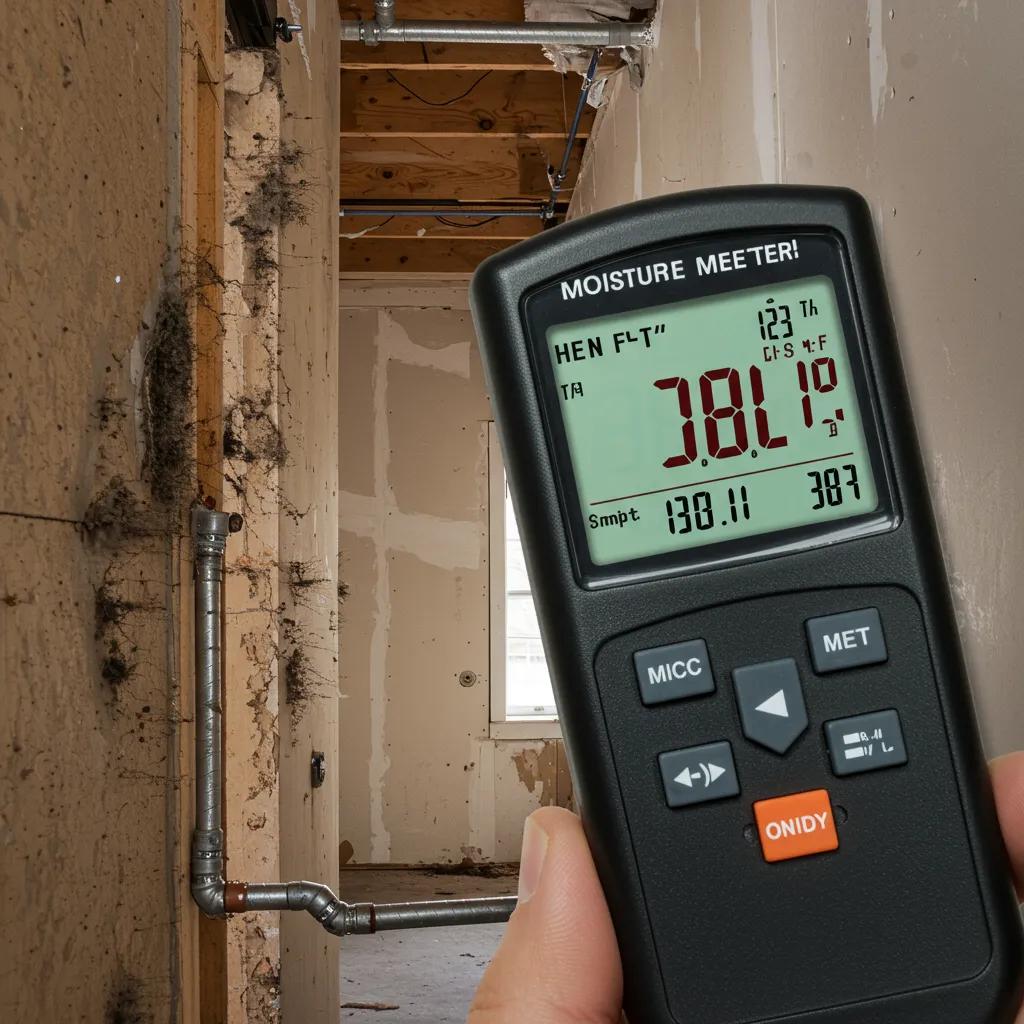
Early detection interrupts the timeline from initial water exposure to irreversible material damage and mold colonization by identifying wet materials before microbial growth becomes extensive. Assessors use moisture meters and surface checks to find elevated readings in drywall, framing, and flooring; once detected, rapid drying and containment lower the moisture below microbial growth thresholds. Stopping moisture early often converts what would be costly demolition and reconstruction into targeted drying and repairs, saving money and safeguarding indoor air quality. In practice, small leaks that are caught and dried within 48–72 hours rarely require major remediation, which highlights why timely assessments change outcomes and reduce downstream expenses.
What Local Factors Affect Water Damage Risks in Springfield, MA?
Springfield’s climate patterns—seasonal heavy rains, freeze-thaw cycles, and occasional rapid snowmelt—raise the risk of basement seepage and foundation stress in homes with marginal drainage. Local soil types and historic building practices can contribute to hydrostatic pressure at foundation walls, poor surface grading, and clogged or absent external drainage systems. Assessors evaluate perimeter grading, gutter/downspout routing, and signs of efflorescence or lateral water stains that indicate chronic pressure from surrounding soils. Knowing these local risk factors helps homeowners prioritize exterior drainage fixes, interior containment, and when to seek specialized basement waterproofing or foundation repair.
What Are the Key Steps in the Water Damage Inspection Process?
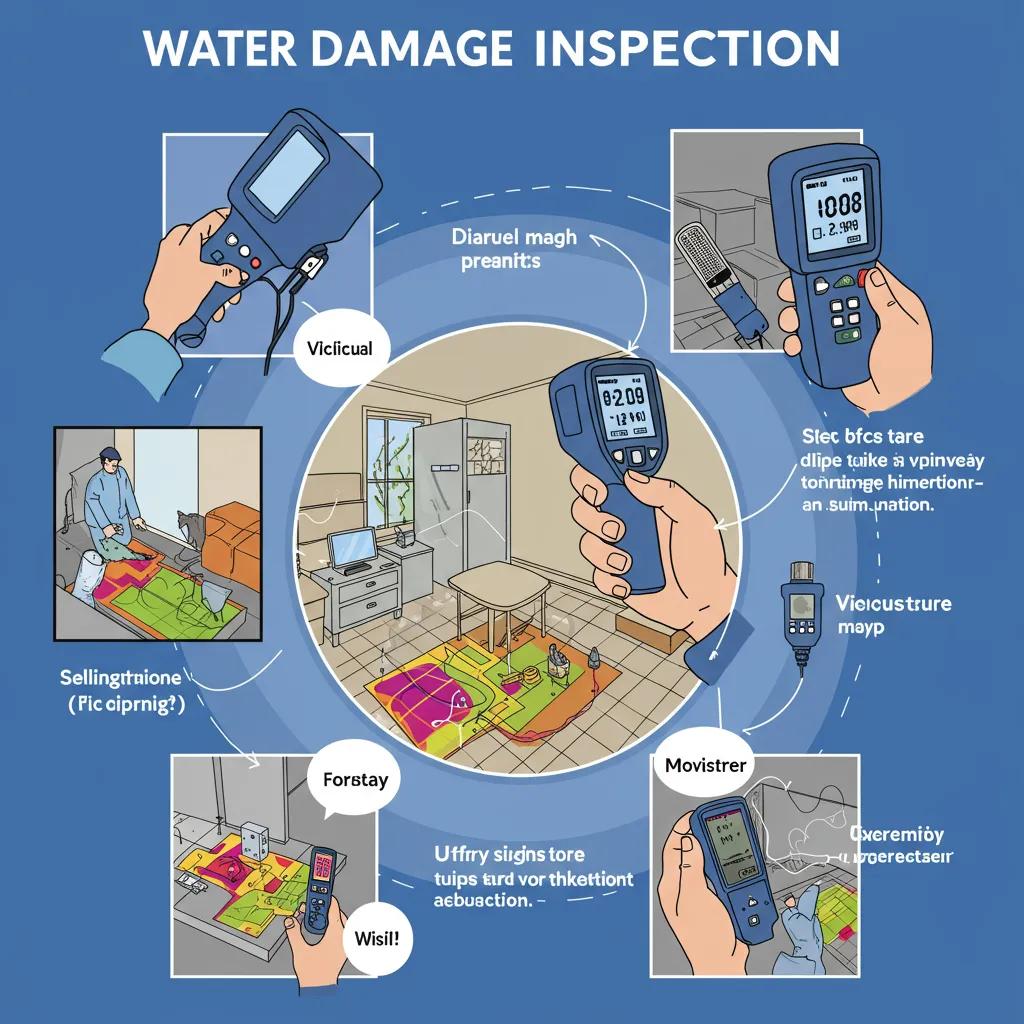
A standard inspection follows a consistent sequence: initial visual survey, targeted moisture mapping, classification of damage, optional mold/air testing, structural checks, and detailed reporting to support mitigation, repair, and insurance claims. Each step uses specific tools and produces outputs that guide the next action, from immediate stabilization to long-term remediation. The structured approach ensures assessors locate the moisture source, measure affected areas, and produce documentation with photos, annotated moisture readings, and recommended scopes of work. Below is a concise numbered outline of typical procedural steps used during professional assessments.
- Initial visual inspection: Walk-through to identify stains, active leaks, and safety hazards.
- Moisture mapping: Systematic measurements using meters and hygrometers to locate damp materials.
- Damage classification: Determining class and category of water to plan drying and safety measures.
- Mold screening: Visual mold checks and, when indicated, air or surface sampling for spores.
- Structural review: Checking foundations, joists, and load-bearing elements for compromise.
- Documentation and reporting: Compiling photos, maps, readings, and recommended next steps for remediation and claims.
The numbered sequence above clarifies what to expect during each phase and how outputs from one step inform the next stage of the response.
Intro to tools and outputs table: The table below summarizes core inspection steps, the primary instruments or methods used, and the typical output an assessor will deliver for each step.
This table shows how each method contributes to a comprehensive picture of damage and supports clear remediation choices.
How Do Professionals Detect Hidden Water Damage and Mold?
Detecting concealed water damage and mold requires combining homeowner-observed clues with instrument-based evidence to locate moisture that is not yet visible. Professionals rely on an interplay of thermal imaging, moisture meters, borescopes, and humidity monitoring to reveal pockets of trapped water behind walls, under floors, or in crawlspaces. Signs such as persistent musty odors, peeling paint, warped trim, or unexplained staining often trigger a deeper investigation with these tools. When non-invasive methods are inconclusive, assessors may recommend small, targeted openings or localized probe testing to confirm concealed deterioration.
What Are the Signs of Hidden Water Damage in Basements?
Basement hidden damage often appears first as subtle environmental cues: a recurring musty smell, fluctuating relative humidity levels, white powdery efflorescence on block walls, or paint blistering on concrete surfaces. Homeowners should also watch for stains that appear intermittently after heavy rain, slight buckling at floor edges, and condensation cycles that don’t resolve with simple ventilation. These cues guide assessors toward focused moisture mapping and help prioritize areas for thermal imaging or borescope inspection. Acting on early clues reduces the chance of extensive mold colonization and structural harm.
Which Advanced Tools Reveal Concealed Moisture and Mold?
Advanced detection tools each reveal different aspects of hidden moisture: thermal cameras detect temperature anomalies that often align with wet cavities, moisture meters quantify water content in materials, borescopes allow visual checks inside cavities, and hygrometers track ambient conditions that support mold growth. Air sampling identifies elevated spore counts and helps locate hotspots when compared against outdoor baselines, while targeted surface sampling confirms species when needed. Understanding what each tool reveals helps homeowners interpret findings and supports decisions about invasive testing versus conservative monitoring.
Intro to tool comparison table: The table below compares common detection tools, the attribute they measure, and the typical concealed issues they uncover.
This comparison clarifies why assessors use multiple tools in tandem: each instrument contributes unique evidence toward a clear diagnosis.
What Happens After Your Water Damage Assessment?
After assessment, professionals prioritize immediate mitigation to stabilize conditions, then produce a restoration plan that sequences drying, cleaning, repair, and preventive measures based on severity and classification. Mitigation typically focuses on stopping active water sources, containing contaminated areas, and deploying dehumidification and air movement to bring moisture levels down. The restoration plan outlines whether repairs are limited to drying and cleaning, or if reconstruction, replacement, basement waterproofing, or foundation repair is required. Clear documentation from the assessment—annotated photos, moisture maps, and recommended scopes—supports insurance submissions and helps contractors deliver accurate quotes.
How Is a Mitigation and Restoration Plan Developed?
A mitigation plan is developed by combining measured moisture data with observations about materials affected and the category of water involved, then establishing priorities: stop the source, remove standing water, contain cross-contamination, and begin drying. Assessors recommend specific equipment (air movers, dehumidifiers), monitoring frequency, and acceptance criteria—target moisture readings that indicate materials are safe to restore. The restoration timeline depends on class of damage and accessibility, with small, localized events often resolved in days and extensive infiltration requiring staged work over weeks. This measured approach reduces unnecessary demolition and concentrates expenditures where they deliver structural and health benefits.
When Should You Consider Basement Waterproofing and Foundation Repair?
Assessment findings that point to recurring infiltration, hydrostatic pressure signs (consistent seepage, bulging walls), or structural cracks that widen over time indicate the need to consider waterproofing and foundation repair rather than temporary dry-only solutions. If the assessment documents active seepage after storms, continuous high moisture readings near perimeter walls, or movement in foundation elements, interventions such as interior French drains, sump pump installation, exterior membrane work, or engineered foundation repair may be required. Mapping assessment results to specific remedies ensures repairs address root causes, not just symptoms, and helps prioritize preventive investments.
Integration paragraph linking to local services: When an assessment identifies waterproofing or structural needs, SBW Basement Waterproofing Springfield MA offers targeted services aligned with those findings—interior and exterior waterproofing, sump pump installation, French drains, crack repair, foundation repair, and crawl space encapsulation. SBW’s local Springfield expertise helps translate diagnostic reports into prioritized repair options, and the company provides free estimates and flexible payment plans to make corrective work accessible after an assessment.
How Does Insurance Coordination Work After Assessment?
Insurance coordination depends on supplying dated photos, annotated moisture readings, a clear scope of recommended mitigation and restoration actions, and, when required, engineered evaluations for structural claims. Assessors prepare documentation that distinguishes accidental, sudden water events from wear-and-tear or excluded maintenance issues—this differentiation affects claim admissibility. Homeowners should present the assessment report promptly to their insurer, request adjuster visits if necessary, and maintain a record of mitigation steps taken to limit further damage. Organized documentation increases the chance of clear coverage decisions and speeds contractor mobilization.
Intro to documentation list: Below are typical documents insurers expect and practical homeowner steps to prepare a claim.
- Dated photographs: Show the damage state and progression.
- Annotated moisture readings: Quantify affected materials for scope and drying targets.
- Itemized mitigation and repair scope: Describe recommended steps and estimated timelines.
- Receipts and contractor estimates: Support incurred expenses and projected costs.
Summary: Preparing these documents during and after the assessment streamlines insurer review and reduces disputes over the nature and extent of damage.
What Are the Typical Costs and Timeframes for Water Damage Assessments in Springfield, MA?
A basic residential water damage inspection in Springfield commonly takes one to three hours and includes a visual survey, moisture mapping, and a report; additional testing like air sampling or engineered evaluations adds time and cost. Typical cost drivers include property size, accessibility, need for laboratory mold analysis, and whether an engineered structural review is required. Many local providers offer preliminary site visits at no cost and then produce detailed, priced scopes after inspection so homeowners know exact remediation budgets. Understanding these variables helps set realistic expectations for both timing and potential financial outlay.
How Long Does a Professional Water Damage Inspection Usually Take?
Most single-level basement or small residential inspections take roughly one to three hours, covering an entry walk-through, systematic moisture readings, thermal scanning where needed, and initial documentation. Complex multi-level homes, commercial buildings, or cases requiring multiple test locations (air sampling, cavity probes) can extend to half a day or more. Post-inspection report preparation and delivery typically add a day or two depending on lab turnaround for any samples. Scheduling flexibility and prompt access to affected areas shorten turnaround and accelerate mitigation.
What Factors Influence the Cost of a Water Damage Assessment?
Primary cost factors are testing complexity (air/surface sampling with lab analysis), property size, difficulty of access, and whether structural or engineered evaluations are required; these elements directly increase inspection time and reporting depth. Travel, specialized equipment deployment (advanced thermal imaging, borescope), and expedited lab services also raise costs. For Springfield homeowners, opting for a free initial estimate refines these ranges because on-site findings clarify which tests are necessary and whether mitigation only or more extensive engineering is warranted. SBW Basement Waterproofing Springfield MA provides free estimates that refine cost expectations after a no-cost visit, helping homeowners plan next steps without upfront inspection fees.
Intro to cost/time EAV table: The table below gives compact, localized time and cost ranges for common assessment components to help homeowners set expectations before booking an inspection.
Summary: These localized ranges illustrate how complexity and testing affect time and cost; a free site estimate will narrow the range for your specific property.
What Are the Most Common Questions About Water Damage Assessments?
Homeowners frequently ask what a water damage assessment includes, how professionals check for hidden issues, how to tell if damage is hidden, the water damage classes used for remediation planning, and immediate steps to take if they find water damage. Clear, direct answers help homeowners act fast, document properly, and choose mitigation or repair options aligned with assessment findings. The concise answers below mirror what assessors usually communicate during a site visit and help homeowners prepare for the inspection.
What Is Included in a Water Damage Assessment?
A professional assessment typically includes a visual inspection, systematic moisture mapping of affected materials, classification of water and damage severity, and a written report with photos and recommended next steps. When indicated, the assessment also includes air or surface sampling for mold, thermal imaging, and moisture monitoring over time. The report explains acceptance criteria—target moisture levels—and provides a prioritized mitigation and restoration plan. This deliverable becomes the central document for contractor bids and insurance claims.
How Do Professionals Check for Water Damage?
Professionals use a layered approach: visual checks guide where to use moisture meters and thermal imaging; hygrometers and data loggers track ambient conditions; borescopes inspect cavities; and air or surface sampling can confirm microbial contamination. Readings, images, and sample results are correlated to determine both the current state and likely progression if left unaddressed. This evidence-based approach supports informed decisions about drying strategies, containment, and whether invasive investigation or repair is warranted. Consistent monitoring verifies that mitigation is effective and that moisture has returned to safe levels.
The effectiveness of thermal imaging in identifying moisture relies on the principle that evaporating water cools a surface, creating a temperature difference detectable by infrared cameras.
Moisture Mapping with Infrared Thermography
The radiance detected by the thermal camera is transformed into temperature values. The surface temperature of the moist material is lower than that of the dry material. The difference in temperature is due to the evaporation of water from the surface. The evaporation rate is proportional to the water content of the material. Therefore, the water content of the material can be determined from the surface temperature.
Moisture map by IR thermography, G Cadelano, 2010
How Do You Know If Water Damage Is Hidden?
Hidden water damage is often signaled by persistent musty odors, recurring dampness despite ventilation, staining that reappears after weather events, or slow warping of baseboards and flooring. If these signs persist or spread, it’s appropriate to call a professional assessment rather than attempting DIY fixes that can miss root causes. Early professional detection limits the extent of remediation required and reduces the risk of mold development that may affect indoor air quality and occupant health.
What Are the Four Classes of Water Damage?
Water damage classes describe the degree of wetness and the expected drying effort: Class 1 is minimal absorption in a limited area; Class 2 affects an entire room with porous materials; Class 3 involves saturation of ceilings, walls, and contents; Class 4 involves deep, low-porosity materials such as hardwood and concrete that require specialized drying. Each class guides equipment selection, drying time, and the likely need for replacement of affected materials. Assessors use these classes to estimate labor, equipment needs, and restoration timelines.
What Should You Do If Water Damage Is Found?
If you find water damage, prioritize safety (shut off electricity if water reaches outlets), stop the source if safe to do so, and document the condition with dated photos before cleanup begins. Call a professional assessor to quantify moisture, recommend mitigation, and create documentation for insurance. Avoid extensive DIY demolition that may void coverage; instead, follow assessor guidance on containment, drying, and when reconstruction should proceed. Prompt, documented action preserves health and maximizes the chance of a successful, cost-effective restoration.
The use of sensors is crucial for effective moisture management in residential buildings, providing continuous data to prevent damage and ensure healthy living environments.
Moisture Management in Residential Buildings Using Sensors
This study focuses on the background of moisture management in residential buildings, it is essential to understand and advance the collective understanding of moisture management in residential buildings through sensors. This study focuses on the background of moisture management in residential buildings, it is essential to understand and advance the collective understanding of moisture management in residential buildings through sensors.
State of the practice review of moisture management in residential buildings through sensors, E Kamel, 2024
- Immediate step 1: Ensure occupant safety and stop active water if possible.
- Immediate step 2: Photograph damage and limit further spread where safe.
- Immediate step 3: Contact a professional for assessment to guide mitigation and documentation.
These prioritized actions protect people, preserve evidence for claims, and set the stage for effective remediation.
SBW Basement Waterproofing Springfield MA is available to help Springfield homeowners translate assessment findings into practical repair and prevention plans; the company is licensed and insured, offers free estimates and flexible payment plans, and provides services including comprehensive basement waterproofing, interior and exterior waterproofing, sump pump installation, French drains, crack repair, foundation repair, and crawl space encapsulation. If your assessment identifies recurring seepage, structural concerns, or the need for long-term waterproofing, SBW can provide a site-specific estimate to move from diagnosis to repair.
This is the final content of the article.
Frequently Asked Questions
What Should Homeowners Do Immediately After Discovering Water Damage?
Upon discovering water damage, homeowners should prioritize safety by turning off electricity in affected areas and stopping the water source if it is safe to do so. Document the damage with dated photographs to preserve evidence for insurance claims. It’s crucial to contact a professional water damage assessor promptly to evaluate the situation, recommend mitigation strategies, and create necessary documentation. Avoid extensive DIY repairs that could complicate insurance claims and follow the assessor’s guidance for effective remediation.
How Can Homeowners Prepare for a Water Damage Assessment?
Homeowners can prepare for a water damage assessment by ensuring easy access to affected areas, such as basements or crawl spaces. It’s helpful to gather any previous documentation related to water issues, such as past repairs or insurance claims. Additionally, homeowners should note any visible signs of damage or moisture, as well as any unusual odors. This information can assist the assessor in identifying the source and extent of the damage more efficiently.
What Are the Long-Term Benefits of Regular Water Damage Assessments?
Regular water damage assessments can significantly benefit homeowners by identifying potential issues before they escalate into costly repairs. Early detection of moisture problems can prevent mold growth, structural damage, and health risks associated with poor indoor air quality. Additionally, consistent assessments can help maintain property value and ensure compliance with insurance requirements. By investing in regular evaluations, homeowners can create a proactive maintenance plan that safeguards their homes against future water damage.
How Do Weather Patterns Influence Water Damage Risks?
Weather patterns, particularly in regions like Springfield, MA, can greatly influence water damage risks. Seasonal heavy rains, freeze-thaw cycles, and rapid snowmelt can lead to increased moisture levels in basements and foundations. Homeowners should be aware of these patterns and consider preventive measures, such as proper drainage systems and waterproofing solutions, to mitigate risks. Understanding local weather trends can help homeowners take timely action to protect their properties from water intrusion.
What Role Does Insurance Play in Water Damage Recovery?
Insurance plays a critical role in water damage recovery by providing financial support for repairs and restoration. Homeowners should ensure their policies cover water damage, including specific clauses for sudden and accidental incidents. After an assessment, it’s essential to present detailed documentation, including photos and moisture readings, to the insurance company. This organized approach can expedite claims processing and increase the likelihood of coverage for necessary repairs, helping homeowners recover more effectively.
What Are the Common Misconceptions About Water Damage Assessments?
One common misconception is that water damage assessments are only necessary after visible damage occurs. In reality, hidden moisture can lead to significant problems if not addressed early. Another misconception is that DIY methods can effectively identify and resolve water damage issues. Professional assessments utilize specialized tools and expertise to detect concealed moisture and mold, ensuring a comprehensive evaluation. Understanding these misconceptions can encourage homeowners to seek timely professional help and prevent further damage.
Conclusion
Understanding the water damage assessment process empowers Springfield homeowners to take proactive steps in protecting their properties from costly repairs and health risks. By identifying hidden moisture and potential mold growth early, you can save time and money while ensuring a safe living environment. Don’t wait for small issues to escalate; reach out to a professional for a thorough assessment today. Explore our services to safeguard your home against water damage effectively.